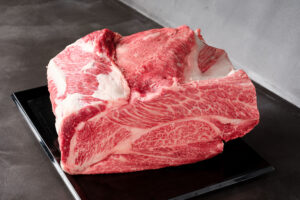
How to Eat Yakiniku: A Guide to Japanese BBQ in Japan
 京都焼肉久成
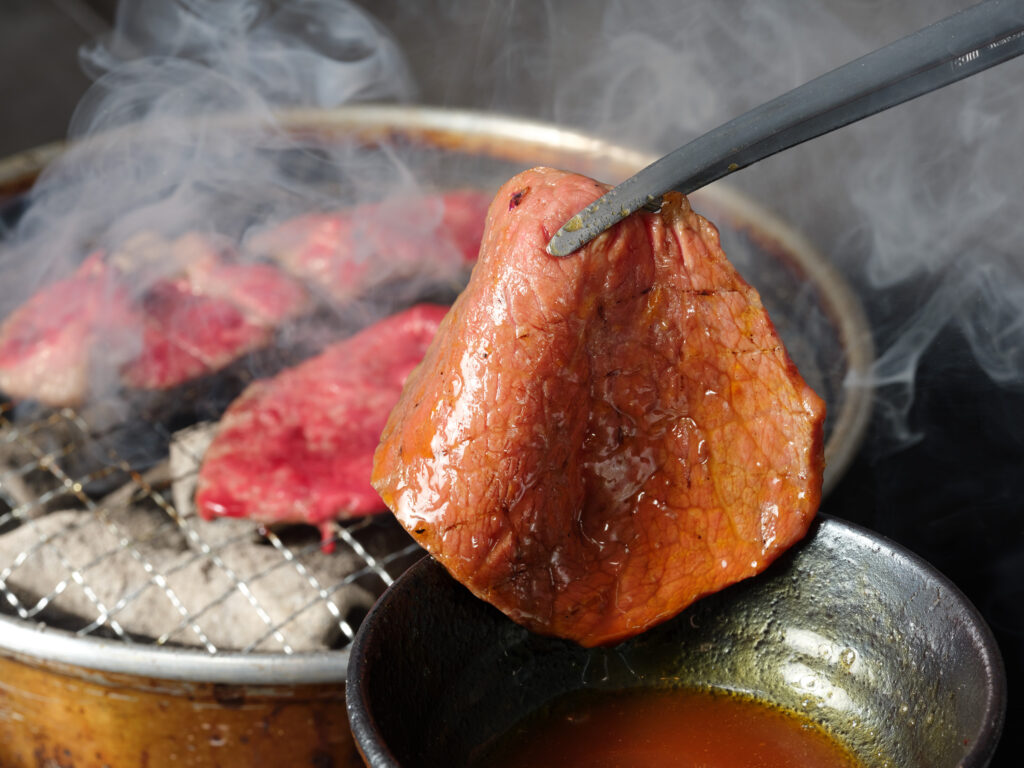
Visiting a yakiniku restaurant for the first time and not sure what to order, how to grill the meat, or whether there are any dining rules? Yakiniku is often described in English as Japanese BBQ, and a few basics make it much easier to enjoy.
Here is the basic flow of a yakiniku meal:
- Order a few cuts of meat, choosing salt or tare (sauce) seasoning.
- Let the grill heat up properly before adding meat.
- Grill a few pieces at a time, starting with lighter cuts such as tongue.
- Dip the cooked meat in sauce or eat it with rice or lettuce.
- Finish with cold noodles, soup, or a rice dish if you like.
This article explains each step in more detail, along with common cuts, how to grill Wagyu, side dishes, etiquette, and tips for visitors to Japan.
What Is Yakiniku?
Yakiniku literally means "grilled meat." Diners usually cook bite-sized pieces of meat on a tabletop grill and eat them as soon as they are ready. The style is widely said to have developed in Japan after World War II under the influence of Korean barbecue, which is why kimchi, namul, and lettuce wraps often appear on yakiniku menus.
Beef is the star at most restaurants, but menus may also include pork, chicken, offal, vegetables, rice, soups, and noodles. Grills can be gas, electric, or charcoal. Some restaurants let you grill everything yourself, while others have staff grill the meat for you.
How to Order Yakiniku in Japan
Ordering becomes easier once you know a few common menu terms. You will usually choose the cut, the seasoning, and whether to order individual plates or a set.
Common Yakiniku Cuts
Menus in Japan often use Japanese names for cuts. The table below shows the ones you are most likely to see. The exact cut behind each name can vary slightly by restaurant.
| Menu Term | Typical Meaning | General Character |
| Tan | Tongue | Firm and springy; often served with salt and lemon |
| Rosu | Loin or shoulder cuts | Balanced; leaner than karubi |
| Karubi | Rib or belly-area cuts | Rich and often well marbled |
| Harami | Skirt (diaphragm) | Tender and juicy with a beefy flavor |
| Zabuton | Chuck flap | A prized, highly marbled cut |
| Horumon | Offal, such as intestines | Chewy; needs thorough cooking |
If you are unsure what to choose, an assorted platter is a good way to compare several cuts.
Salt or Tare Seasoning
Many cuts can be ordered seasoned with salt (shio) or with tare, a sweet and savory marinade that is often soy sauce-based. Salt keeps the flavor simple and lets the meat speak for itself, while tare adds depth and pairs especially well with rice.
Tongue is almost always ordered with salt, as "tan-shio," and is traditionally eaten with a squeeze of lemon. That is why many people start their meal with it.
A La Carte and Set Menus
A la carte ordering lets you choose individual plates and add more as you go. Sets, courses, and assorted platters combine several cuts and are convenient when you want variety without studying the whole menu. Because portion sizes differ between restaurants, starting small and ordering more later is usually the easiest approach.
How to Grill Yakiniku
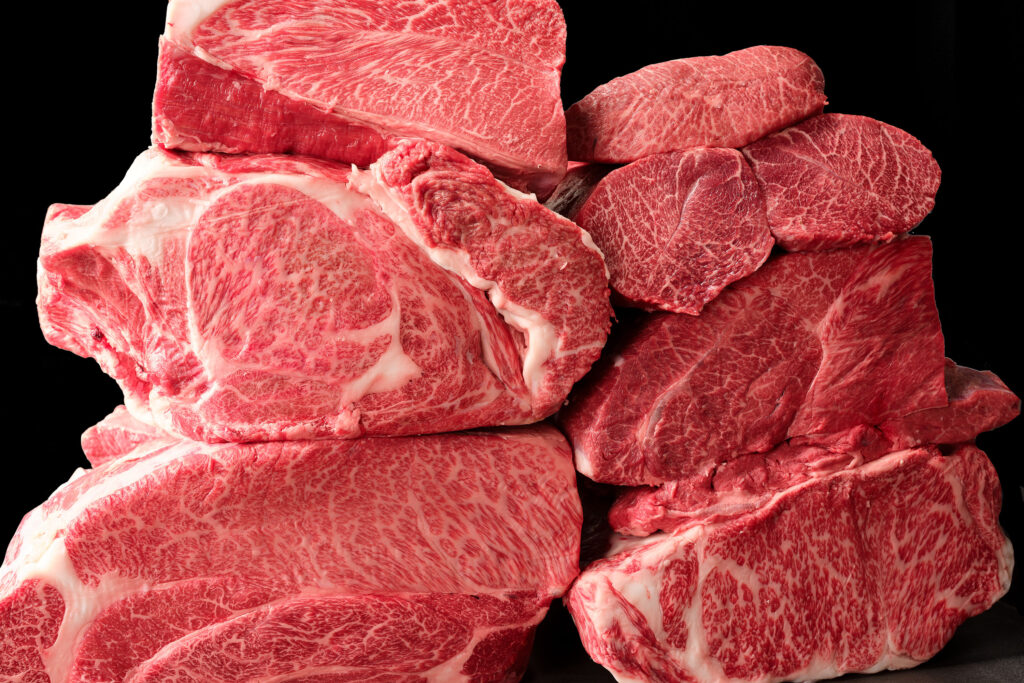
There is no need to rush when grilling yakiniku. A few simple habits make it easier to cook each piece well.
Grilling Order and Small Batches
Let the grill heat up properly before adding any meat; staff will often light or switch it on for you. A common approach is to start with lighter or salt-seasoned cuts such as tan-shio, then move on to fattier cuts and tare-marinated meat. This keeps fat and sauce from coating the grill too early, although it is a guideline rather than a strict rule.
Avoid covering the whole grill. Cooking a few pieces at a time makes them easier to turn and gives you more control over doneness, especially when cuts have different thicknesses.
Checking Doneness
Cooking time depends on the cut, thickness, grill temperature, and type of meat, so there is no single timing rule. Watch the color of each piece and follow any guidance from the restaurant. For food safety, always cook pork, chicken, and offal such as horumon thoroughly.
How to Grill Wagyu
Highly marbled Wagyu needs a lighter touch than ordinary beef. Thin slices cook very quickly, so they usually need only a brief sear on each side. If you leave them on the grill too long, the fat melts away and the meat loses the tender, juicy texture that makes Wagyu special.
At Kujyo in Gion, Kyoto, our skilled chefs grill each piece of A5 Matsunaga Wagyu with a BMS of 10 or higher right in front of you, bringing out the best of every cut. You can simply relax and enjoy the meat at its ideal doneness.
Separate Tongs for Raw Meat
Use the tongs provided for raw meat, and your own chopsticks only for cooked meat. Keeping them separate reduces the risk of transferring bacteria from raw meat to food that is ready to eat.
Grill Mesh Changes and Charcoal Grills
Sauce, fat, and char build up on the grill as you cook. If the mesh becomes blackened or food starts to stick and burn, most restaurants will replace it. Never remove a hot grate yourself; ask a staff member instead.
Some restaurants grill over charcoal rather than gas or electricity. Charcoal adds a smoky aroma, but heat can vary across the grill, so the position of each piece matters.
What to Eat with Yakiniku
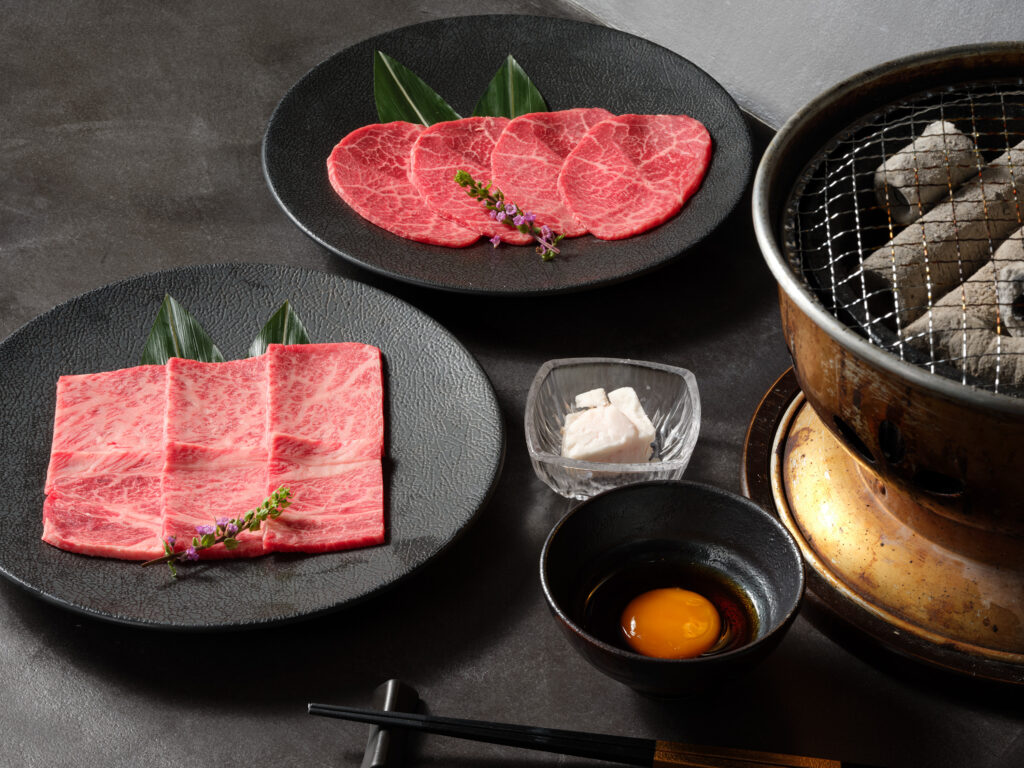
Yakiniku is about more than the meat. Sauces, rice, vegetables, and side dishes balance richer cuts and add variety to the meal.
Dipping Sauces and Condiments
After grilling, you can dip the meat in tare, or season it with salt, lemon, garlic, or wasabi, depending on what the restaurant provides. Try a piece on its own first, then add a little sauce or condiment if you want to change the flavor.
Rice and Lettuce
Steamed rice is a classic partner for yakiniku, especially with tare-seasoned or fatty cuts. Some restaurants also offer lettuce or sanchu leaves for wrapping grilled meat, which adds freshness to richer bites.
Side Dishes and Finishing Dishes
Kimchi and namul (seasoned vegetables) are popular side dishes throughout the meal. Many diners finish with cold noodles (reimen), a warm soup, or a rice dish such as bibimbap.
Yakiniku Etiquette and Tips for Visitors
Yakiniku is relaxed and casual, but a few simple habits make the meal more comfortable, especially when dining in Japan for the first time.
Sharing the Grill
When sharing a grill, avoid taking over the entire cooking surface or moving someone else's meat without asking. Leaving enough room makes it easier for everyone to keep track of their own pieces.
Useful Tips for Dining in Japan
To call a staff member, raise your hand slightly and say "sumimasen" (excuse me). Many restaurants also have a call button on the table. Tipping is not customary in Japan, so there is no need to leave extra money.
Grilling can leave a smoky smell on clothes. Some restaurants provide covers or bags for coats and bags, but if you are wearing something delicate, it is worth keeping this in mind.
Solo and All-You-Can-Eat Yakiniku
You can enjoy yakiniku alone in Japan. Some restaurants specialize in solo dining with individual grills or counter seating, and smaller sets make it easier to try several cuts by yourself.
Yakiniku is not automatically all-you-can-eat. Some restaurants offer tabehodai plans, while others focus on a la carte dishes, sets, or courses. All-you-can-eat plans usually have a time limit and a last-order time, so check the rules before ordering.
Frequently Asked Questions About Yakiniku
Find answers to the most common questions about Yakiniku, from popular beef cuts and ordering tips to the best ways to grill your meat.
Is yakiniku the same as Korean BBQ?
They are closely related, and yakiniku developed under the influence of Korean barbecue. However, yakiniku in Japan typically uses smaller, bite-sized pieces, a wide range of beef cuts, and Japanese-style sauces, so the experience differs from Korean BBQ.
What should I order first at a yakiniku restaurant?
Many people start with tan-shio, thinly sliced tongue seasoned with salt and eaten with lemon. From there, move on to richer cuts such as karubi and tare-marinated meat.
Do you tip at yakiniku restaurants in Japan?
No. Tipping is not customary in Japan. Some restaurants add a service charge to the bill, which is usually explained on the menu.
How long should I grill Wagyu?
Thin slices of highly marbled Wagyu need only a brief sear on each side. Cooking it too long melts away the fat that gives Wagyu its tender texture, so watch each piece closely.
Should I eat yakiniku with rice?
It is up to you. Many diners enjoy rice with tare-seasoned or fatty cuts, while others prefer to focus on the meat and finish with noodles or soup.
Summary | Enjoy Yakiniku in Japan with Confidence
Yakiniku is a hands-on Japanese dining style built around grilling bite-sized meat at the table. Order a few cuts with salt or tare, let the grill heat properly, start with lighter cuts such as tan-shio, and cook a few pieces at a time. Rice, lettuce, kimchi, noodles, and soups can all round out the meal.
At Kujyo, a three-minute walk from Gion-Shijo Station in Kyoto, our chefs grill A5 Matsunaga Wagyu with a BMS of 10 or higher in front of you, one piece at a time. If you would like to experience premium Wagyu yakiniku during your stay in Kyoto, you can reserve your table online.
\ 最新情報をチェック /