Wagyu Grading Explained: A5, BMS, Yield and Quality Grades
 京都焼肉久成
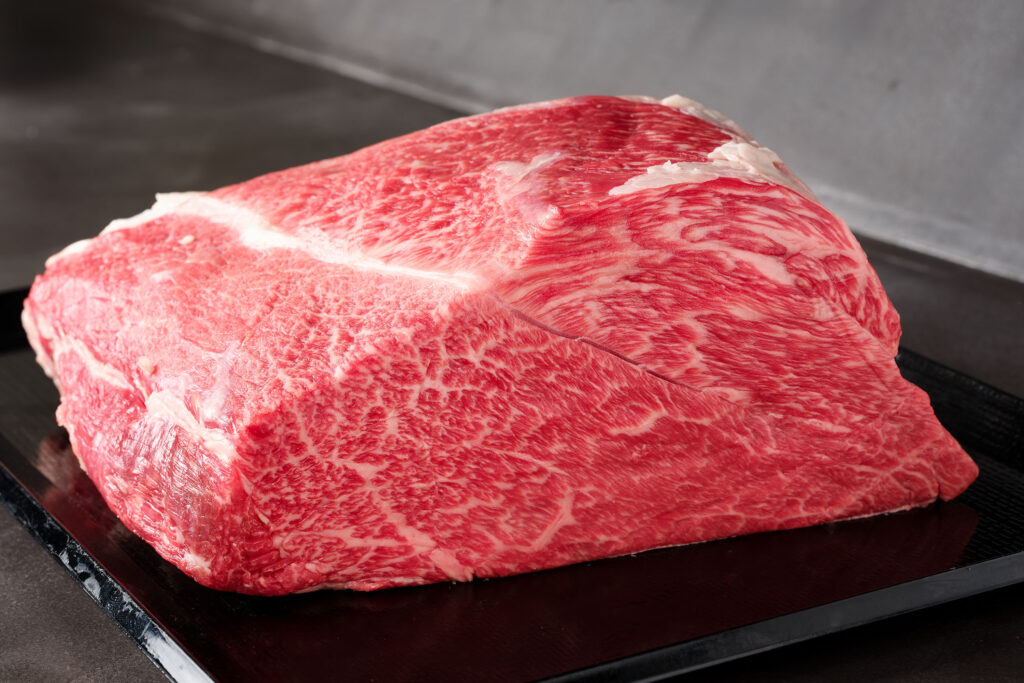
Have you seen labels such as A5 Wagyu, BMS 10, or Yield Grade A and wondered what they actually mean? Japanese beef grading uses letters, numbers, and marbling scores, so it can be difficult to tell which value refers to yield and which refers to meat quality.
In short, a Japanese beef grade such as A5 combines two separate assessments: a letter for yield and a number for meat quality. This article explains how the system works, including Yield Grades A to C, Quality Grades 1 to 5, BMS scores, and the requirements for A5. It also compares the Japanese system with the grading standards used in the United States and Australia, helping you read Wagyu labels with more confidence.
What Is Wagyu Grading?
In Japan, beef carcasses are graded under standards established by the Japan Meat Grading Association. Each grade combines a Yield Grade, which evaluates the expected amount of usable meat, and a Quality Grade, which evaluates the characteristics of the meat itself.
Grades are written as a letter followed by a number, such as A5, B4, or C3. The letter is the Yield Grade and the number is the Quality Grade, so the two should be read as separate results rather than a single score.
Although grades such as A5 are strongly associated with Wagyu, the Japanese grading system is not limited to Wagyu cattle. It also applies to beef from other breeds raised in Japan.
Yield Grades A to C
Yield Grade is divided into A, B, and C. It is based on an estimated yield percentage, which shows how much usable meat is expected from the carcass.
| Yield Grade | Estimated Yield Percentage | Meaning |
| A | 72 or higher | Above the standard level |
| B | 69 to less than 72 | Standard level |
| C | Less than 69 | Below the standard level |
Yield Grade does not evaluate flavor, tenderness, or marbling. The "A" in A5 therefore says nothing about how the meat tastes; it refers only to carcass yield. Wagyu cattle, particularly Japanese Black, tend to achieve high yields, which is one reason Yield Grade A is common among premium Wagyu.
Quality Grades 1 to 5
Quality Grade is expressed on a scale from 1 to 5, with 5 being the highest. It is based on four criteria: marbling, meat color and brightness, firmness and texture, and fat color and quality.
Combining the three Yield Grades with the five Quality Grades creates 15 possible grades.
| Quality 5 | Quality 4 | Quality 3 | Quality 2 | Quality 1 | |
| Yield A | A5 | A4 | A3 | A2 | A1 |
| Yield B | B5 | B4 | B3 | B2 | B1 |
| Yield C | C5 | C4 | C3 | C2 | C1 |
How Wagyu Quality Grade Is Determined
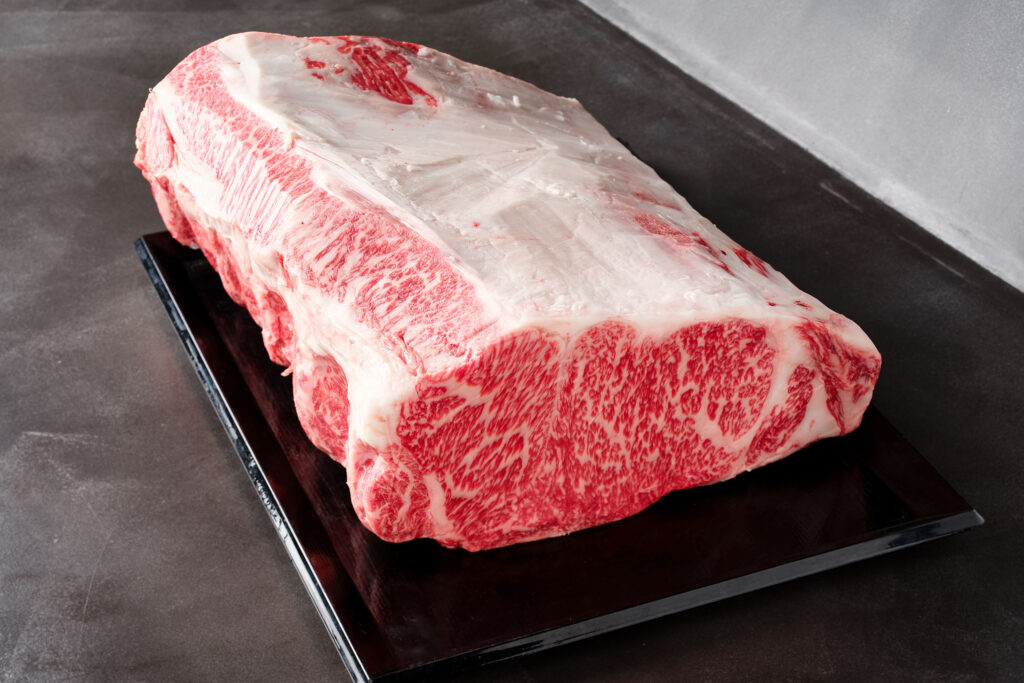
Quality Grade is not based on marbling alone. Each of the four criteria is assessed separately, and the results are combined to determine the final grade. The table below shows the main requirements for Quality Grade 5, the highest level.
| Criterion | Reference Standard | Requirement for Quality Grade 5 |
| Marbling | BMS (Beef Marbling Standard), No. 1 to No. 12 | BMS No. 8 to No. 12 |
| Meat color and brightness | BCS (Beef Color Standard), No. 1 to No. 7 | BCS No. 3 to No. 5, with very good brightness |
| Firmness and texture | Visual assessment | Very good firmness and very fine texture |
| Fat color and quality | BFS (Beef Fat Standard), No. 1 to No. 7 | BFS No. 1 to No. 4, with very good luster and quality |
BMS Scores from 1 to 12
BMS stands for Beef Marbling Standard and evaluates the degree of intramuscular fat visible in the meat. The scale runs from No. 1 to No. 12, with higher numbers indicating more marbling.
For the marbling criterion, Quality Grade 5 corresponds to BMS No. 8 to No. 12, Grade 4 to No. 5 to No. 7, Grade 3 to No. 3 or No. 4, Grade 2 to No. 2, and Grade 1 to No. 1.
BMS is often quoted on its own on menus and product labels, but it describes marbling only. A BMS score is one part of the Quality Grade, not a complete grade by itself.
Meat Color and Brightness
The color of the lean meat is assessed using the Beef Color Standard, or BCS, together with a visual evaluation of brightness. Meat that is too pale or too dark falls outside the range required for the highest grades.
This criterion makes sure the final grade reflects the condition of the lean meat, not just the amount of fat running through it.
Firmness and Texture
Firmness and texture are evaluated by examining how firm the meat is and how fine its grain appears. Higher Quality Grades require meat that is both firmer and finer in texture.
Because this criterion is assessed independently, beef with abundant marbling can still receive a lower Quality Grade if its firmness or texture falls short.
Fat Color and Quality
The fat itself is assessed using the Beef Fat Standard, or BFS, as a reference for color, while luster and overall quality are evaluated visually. White to creamy fat with a good sheen scores higher than yellowish fat.
This criterion looks at the condition of the fat rather than how much of it is present, which is why it is evaluated separately from marbling.
The Lowest Score Determines the Final Grade
The final Quality Grade is determined by the lowest result among the four criteria.
For example, if marbling, meat color, and fat quality all reach Grade 5 but firmness and texture reach only Grade 4, the final Quality Grade is 4. A high score in one category cannot make up for a lower score in another, so all four criteria must meet the Grade 5 standard for beef to receive Quality Grade 5.
What Does A5 Wagyu Mean?
A5 is the most familiar label associated with Japanese Wagyu. It represents the best combination of yield and quality in the Japanese system, but it still covers a range of marbling levels.
Requirements for an A5 Grade
A5 means Yield Grade A combined with Quality Grade 5. The carcass must have an estimated yield of 72 or higher, and all four quality criteria must meet the Grade 5 standards shown above, including a marbling score of BMS No. 8 or higher.
Since A5 covers BMS No. 8 to No. 12, two pieces of A5 beef can still differ noticeably in marbling. At Kujyo in Gion, Kyoto, we serve only A5 Matsunaga Wagyu with a BMS of 10 or higher, the upper end of the A5 range.
Differences Between A3, A4, and A5
A3, A4, and A5 all share the same Yield Grade A. The difference lies in the Quality Grade. The table below shows the BMS range required for the marbling criterion at each level; the other three criteria must also reach the same grade.
| Grade | Quality Grade | BMS Range for Marbling |
| A3 | 3 | No. 3 to No. 4 |
| A4 | 4 | No. 5 to No. 7 |
| A5 | 5 | No. 8 to No. 12 |
A4 beef is often slightly leaner than A5 while still showing clear marbling, and some diners prefer it for that balance.
How to Check the Grade of Japanese Wagyu
In Japan, every head of cattle is registered under a 10-digit individual identification number that records its birth date, breed, and farm history. Some restaurants and shops also display grading certificates or brand certificates showing the grade and identification number of the beef they serve.
If you want to know exactly what you are ordering, it is perfectly reasonable to ask a restaurant about the grade, BMS, and brand of its Wagyu.
Does a Higher Wagyu Grade Mean Better Beef?
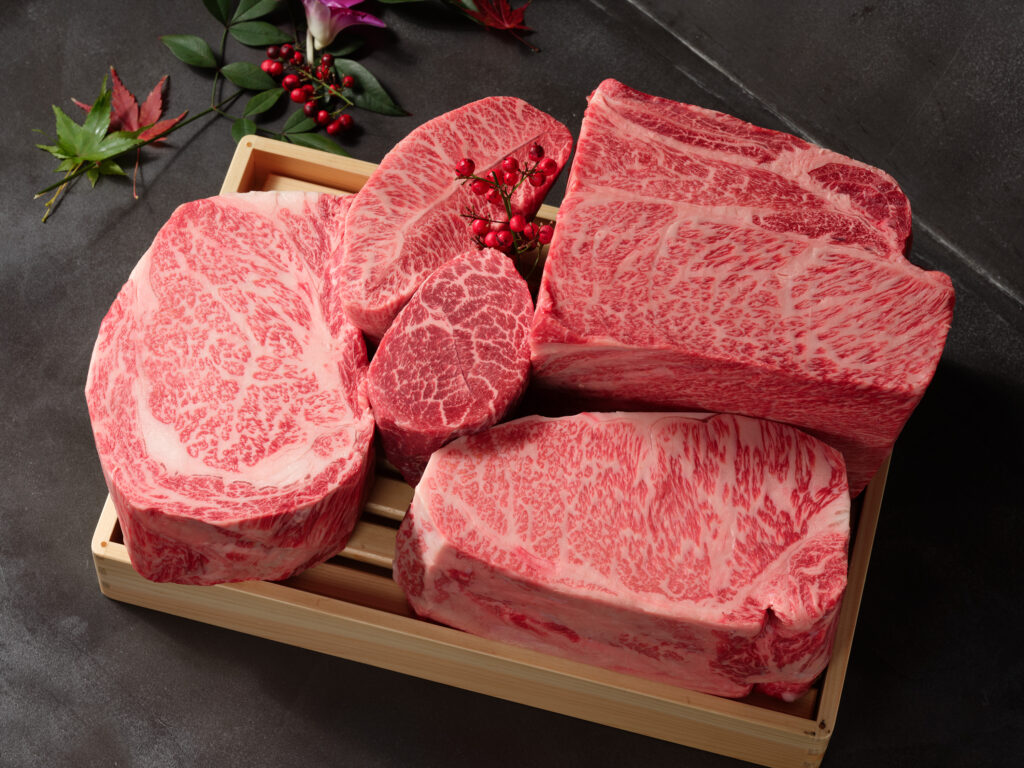
A higher grade indicates stronger results under the official grading criteria, but it does not guarantee that every diner will prefer it. The grade describes measurable carcass characteristics, not how delicious the beef will taste to each person.
Personal Preference
Someone who enjoys rich, highly marbled beef may prefer A5 with a high BMS score, while another diner may enjoy a leaner cut with a stronger beef flavor. The cut of beef and the cooking method also change the experience: a highly marbled cut may suit thin slices for sukiyaki or a few bites of yakiniku, while a leaner cut may be better suited to a thicker steak.
Grade and Price
Higher grades usually command higher prices, but grading is only one factor behind the cost of Wagyu. Brand, cut, origin, production volume, market demand, and where the beef is served all influence the final price.
Looking at the grade together with the cut and cooking style makes it easier to choose Wagyu that suits your taste and budget.
Japanese, American, and Australian Wagyu Grading
Wagyu is also produced in countries such as the United States and Australia, where different grading standards are used. The numbers and names in each system have different meanings, so it is important to know which standard is being used before making comparisons.
USDA Grades in the United States
In the United States, beef is graded by the U.S. Department of Agriculture (USDA). The main quality grades are Prime, Choice, and Select, with Prime being the highest. These grades are based mainly on the amount of marbling and the maturity, or age, of the animal. The USDA also uses separate yield grades from 1 to 5.
USDA Prime and Japanese A5 are often compared, but the systems use different criteria and scales. Industry comparison charts sometimes place USDA Prime at a lower marbling level than most A5 beef, but there is no official conversion between the two, and American Wagyu may also carry USDA grades.
Australian Marbling Scores
In Australia, the official AUS-MEAT marbling scale runs from 0 to 9, with higher scores indicating more visible intramuscular fat. In trade descriptions, you may also see labels such as "MB 9+," which indicates beef at or above the MB9 reference level rather than a separate score beyond 9.
Australia also uses the Meat Standards Australia, or MSA, system, which includes its own marbling assessment and considers a broader range of factors when predicting eating quality. AUS-MEAT and MSA should therefore not be treated as the same system.
Why the Grades Cannot Be Converted Directly
The Japanese system assigns combined grades such as A5 by evaluating yield and four quality criteria together. The USDA system focuses mainly on marbling and maturity, while Australian marbling scores describe visible intramuscular fat on their own scale.
Because each system uses different scales and evaluation methods, an American or Australian grade cannot be converted directly into a Japanese A1 to A5 grade. A similar-looking number does not necessarily represent the same amount of marbling or the same overall assessment.
Frequently Asked Questions About Wagyu Grading
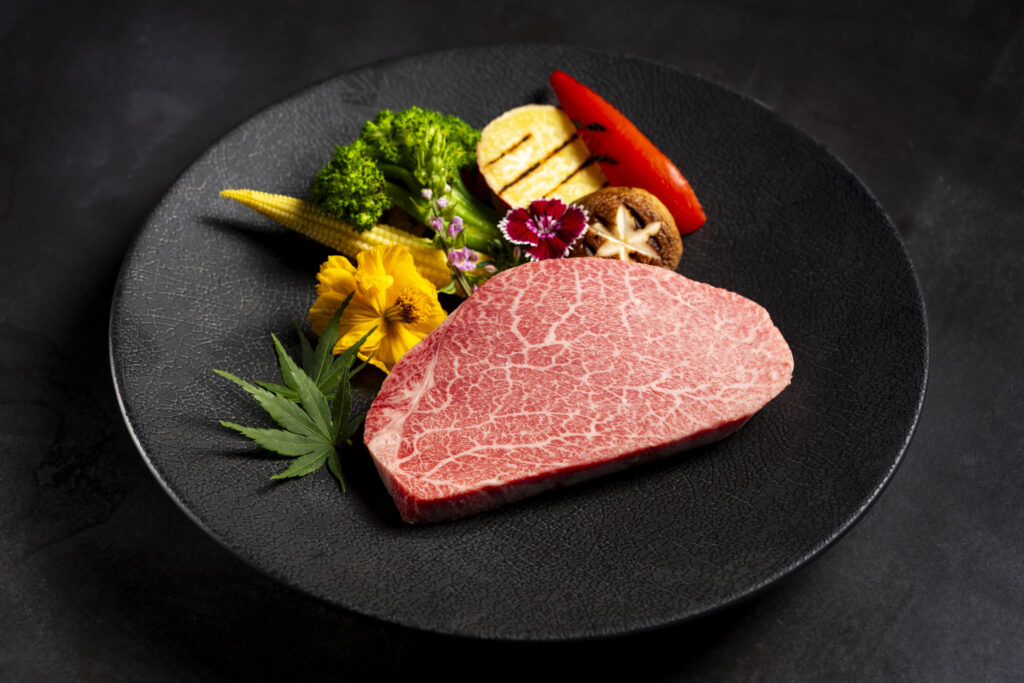
Find answers to the most common questions about how Wagyu beef is scored, categorized, and graded for its exceptional quality.
Is A5 the highest grade of Wagyu?
Yes. A5 is the highest combination in the Japanese grading system, with Yield Grade A and Quality Grade 5. Within A5, however, marbling can range from BMS No. 8 to No. 12, so not all A5 beef is identical.
What is the difference between A5 and USDA Prime?
A5 is a Japanese grade that combines yield with four quality criteria, including marbling. USDA Prime is the highest quality grade in the United States and is based mainly on marbling and the age of the animal. The two systems use different standards, so they cannot be converted directly.
Is all A5 beef Wagyu?
Not necessarily. The Japanese grading system applies to beef from all cattle breeds in Japan, not only Wagyu. In practice, most A5 beef comes from Japanese Black Wagyu, but the grade itself does not indicate the breed.
What BMS is Kobe Beef?
Kobe Beef must have a BMS of No. 6 or higher, along with a Quality Grade of 4 or 5 and Yield Grade A or B. Kobe Beef can therefore be A4 or A5, as well as B4 or B5, as long as all the brand requirements are met.
Is a higher BMS always better?
A higher BMS means more marbling, but whether it is "better" depends on personal preference. Some diners enjoy the richness of BMS 10 to 12, while others prefer the balance of a slightly lower score.
Summary | Understanding Wagyu Grades Makes Choosing Beef Easier
Japanese beef grading becomes easy to read once the letter and number are separated. The letter A, B, or C shows the expected yield, while the number 1 to 5 shows the Quality Grade, which is determined by the lowest result among marbling, meat color, firmness and texture, and fat quality. BMS measures marbling only and forms one part of that assessment.
A5 is the highest grade, but it still covers a range of marbling levels, and the highest grade will not match every diner's taste. American and Australian grades also use different standards, so they should not be treated as direct equivalents of Japanese grades.
At Kujyo, a three-minute walk from Gion-Shijo Station in Kyoto, we serve A5 Matsunaga Wagyu with a BMS of 10 or higher as yakiniku, sukiyaki, and steak. If you would like to experience how marbling, cut, and preparation shape the taste of Wagyu, you can reserve your table online.
\ 最新情報をチェック /